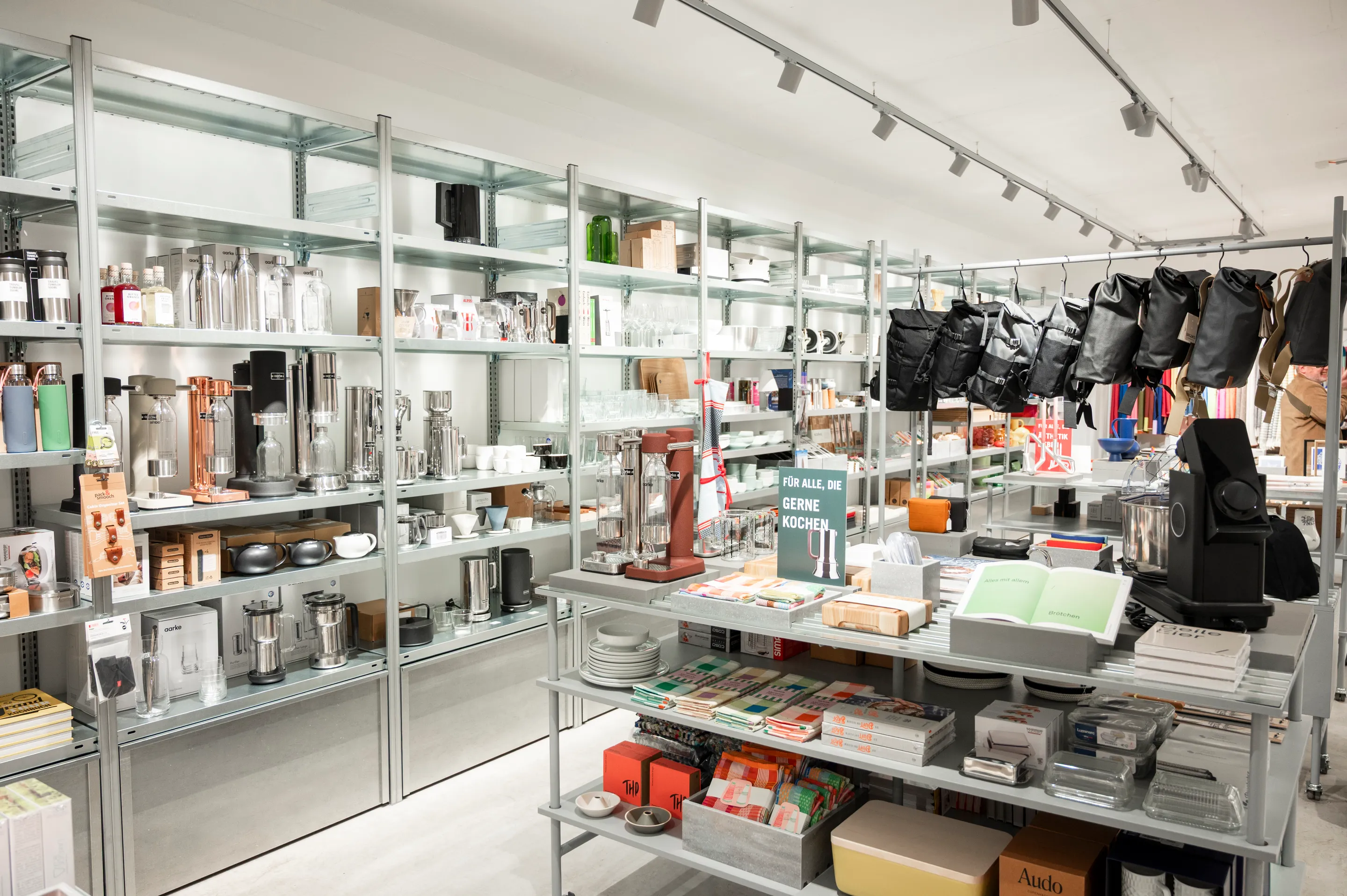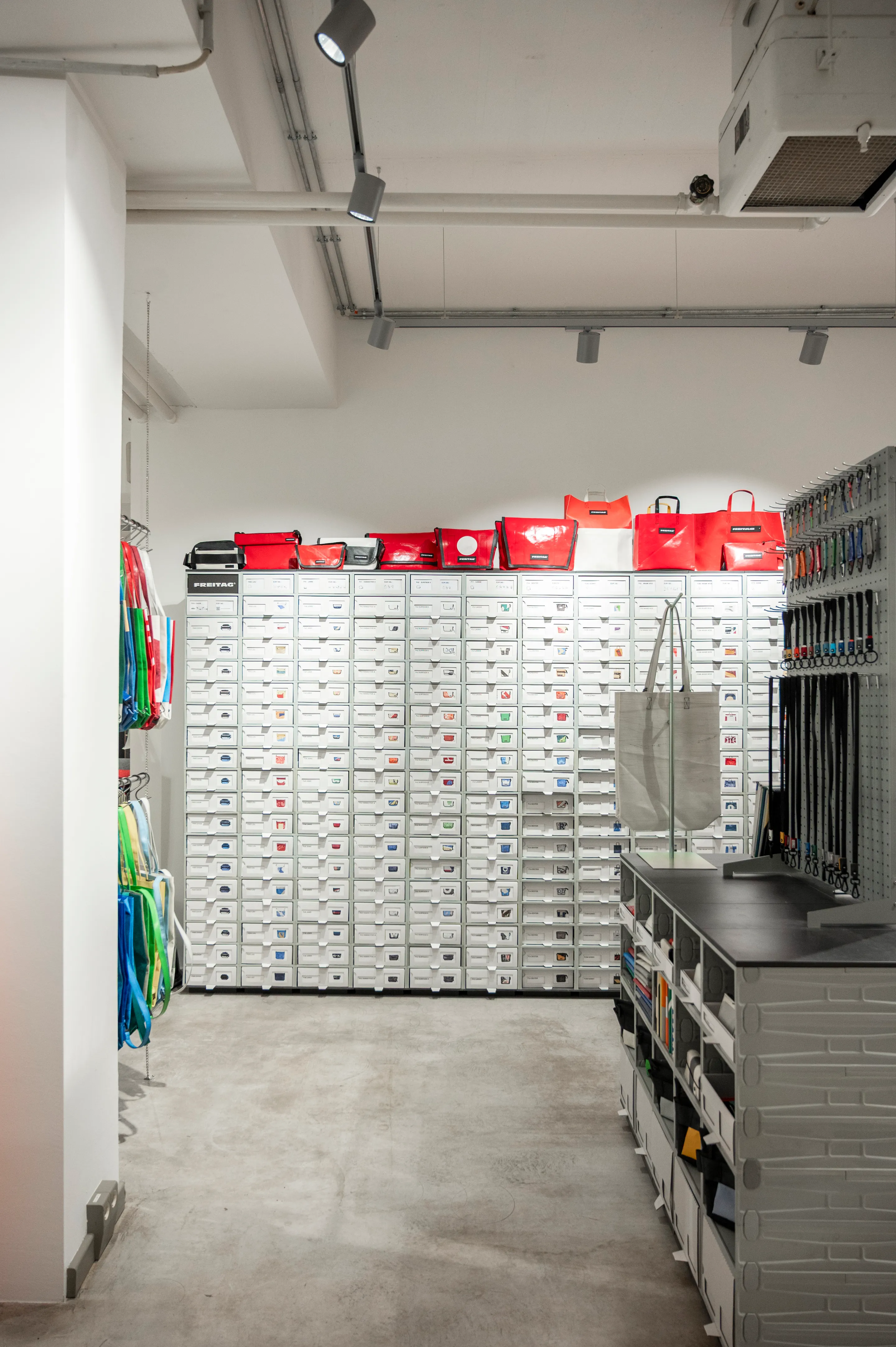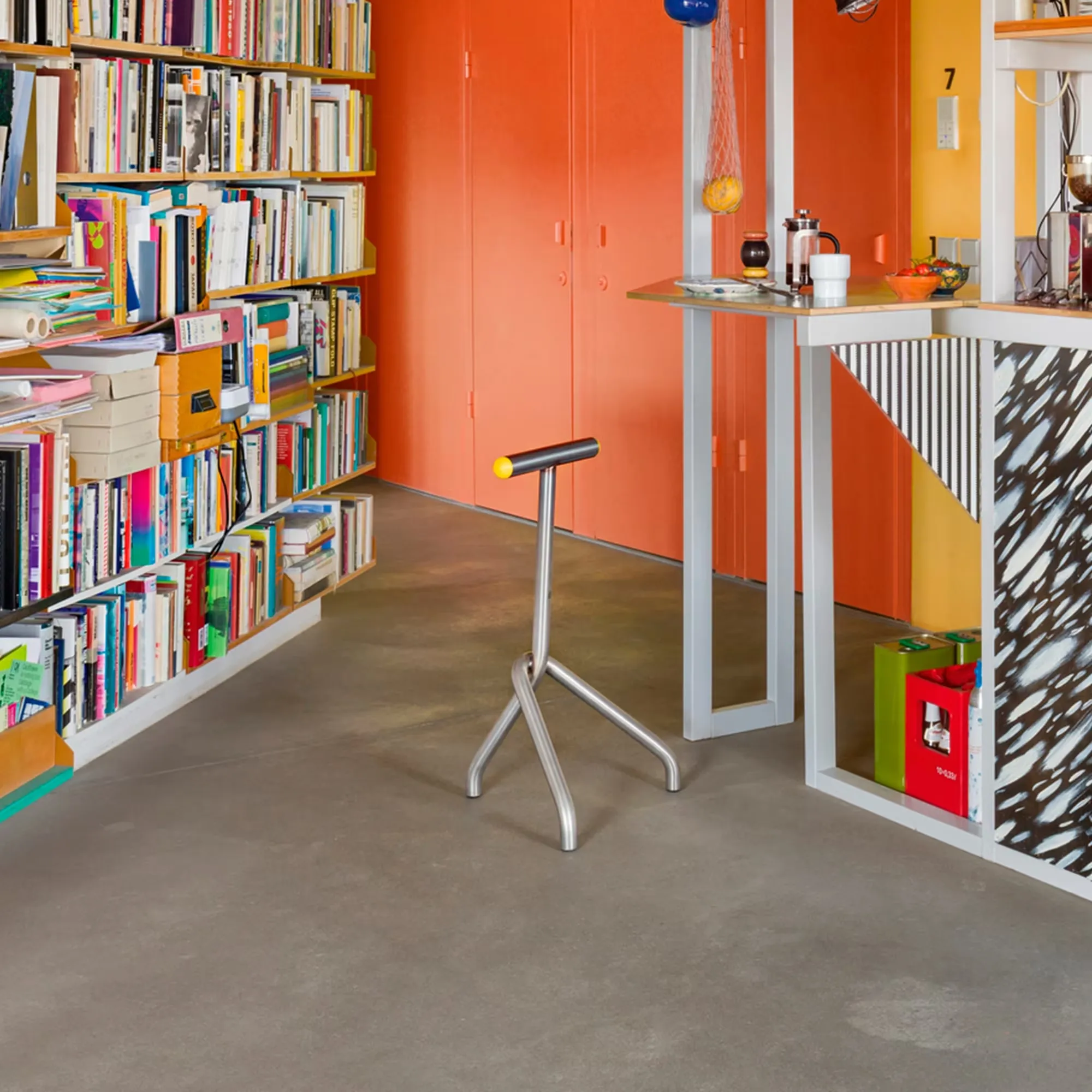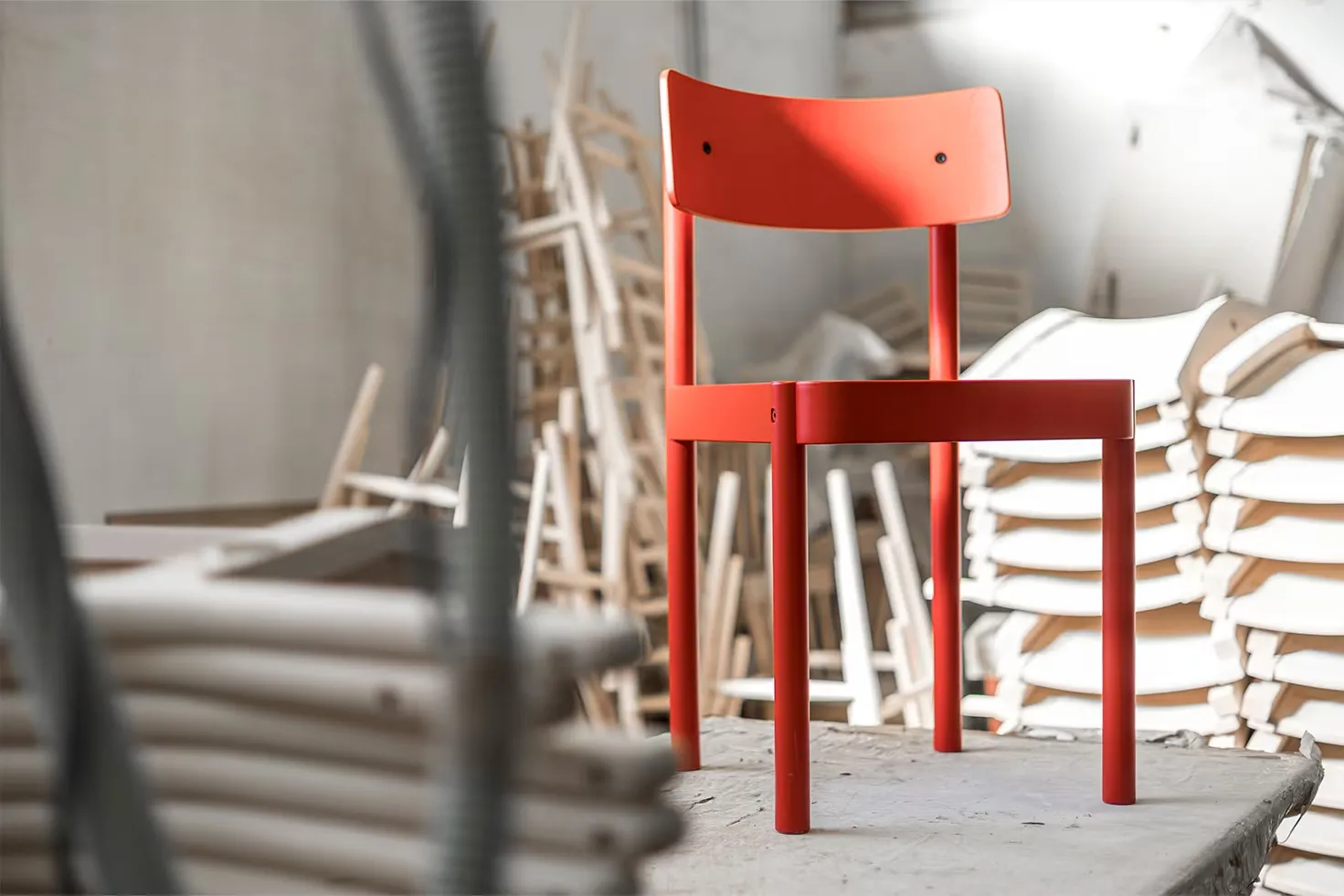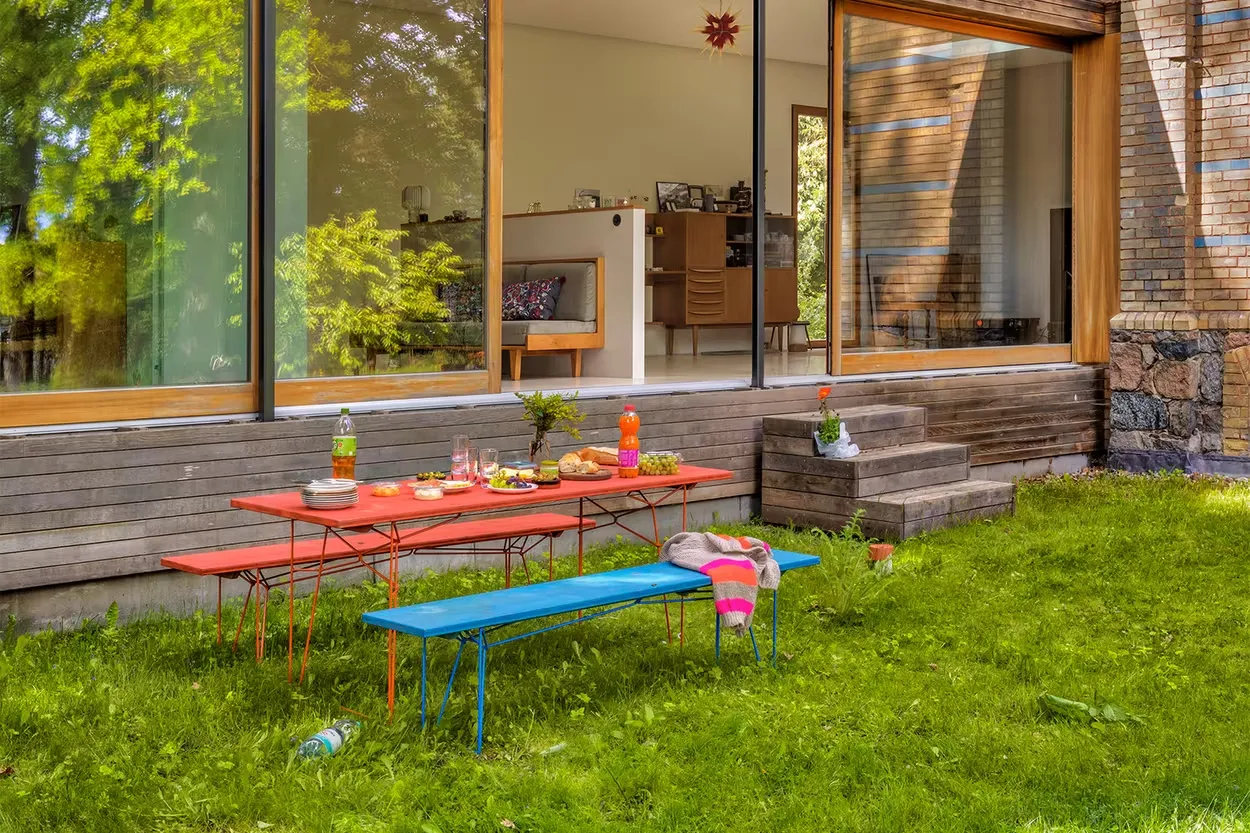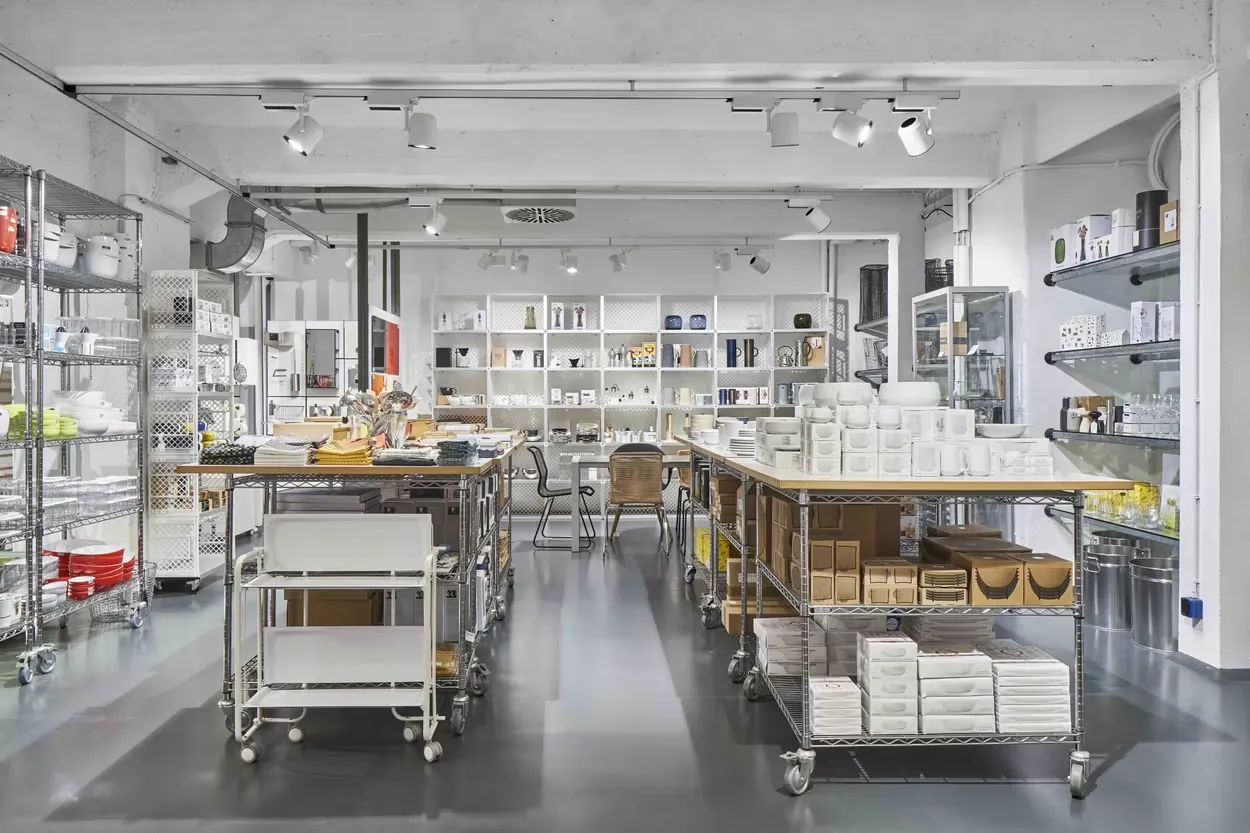

MAGAZIN began with a simple question: what does a space—and the people who inhabit it—truly require? When its original team opened a shop for furnishing accessories in Stuttgart in 1971, they were already thinking critically. Rather than treating design as decoration, they wanted to understand how design could genuinely improve everyday life. More than 50 years later, that instinct—to scrutinize conventions and seek authentic design solutions—is still at the heart of the brand.
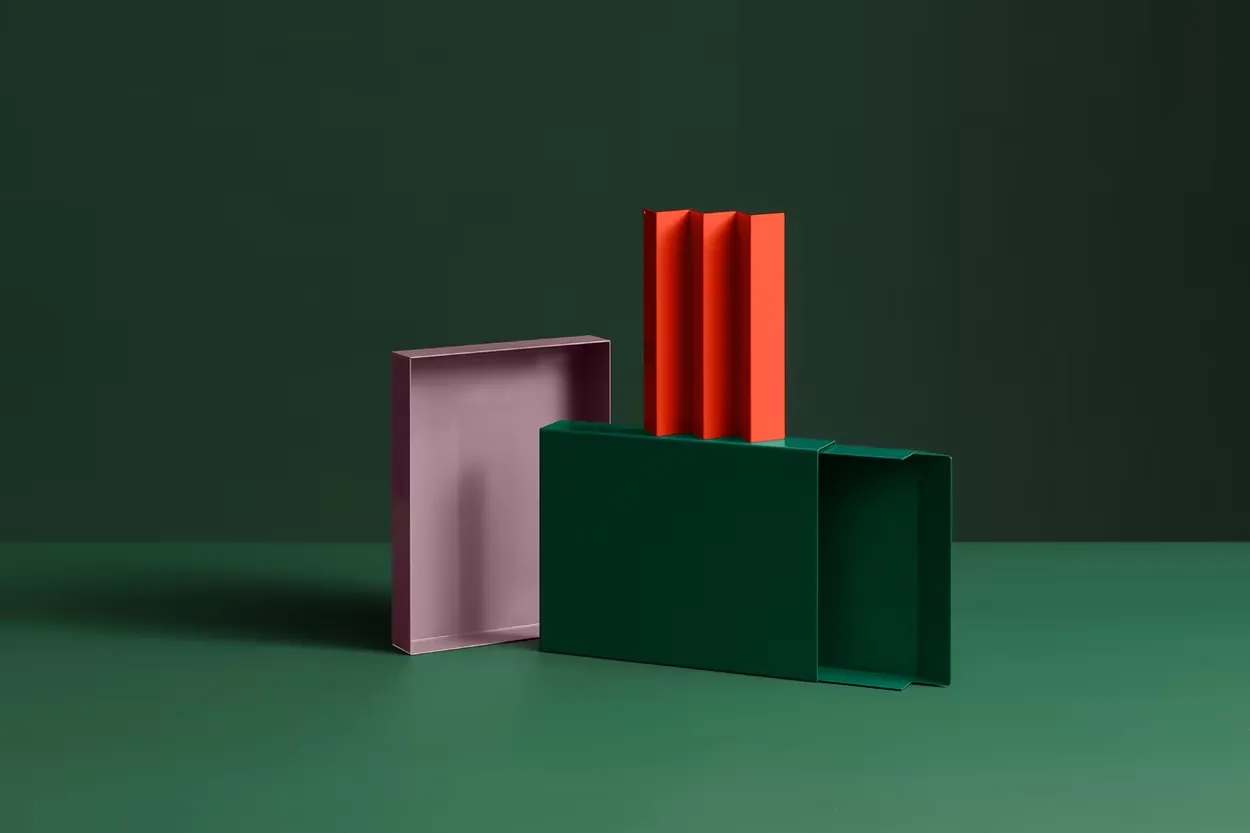
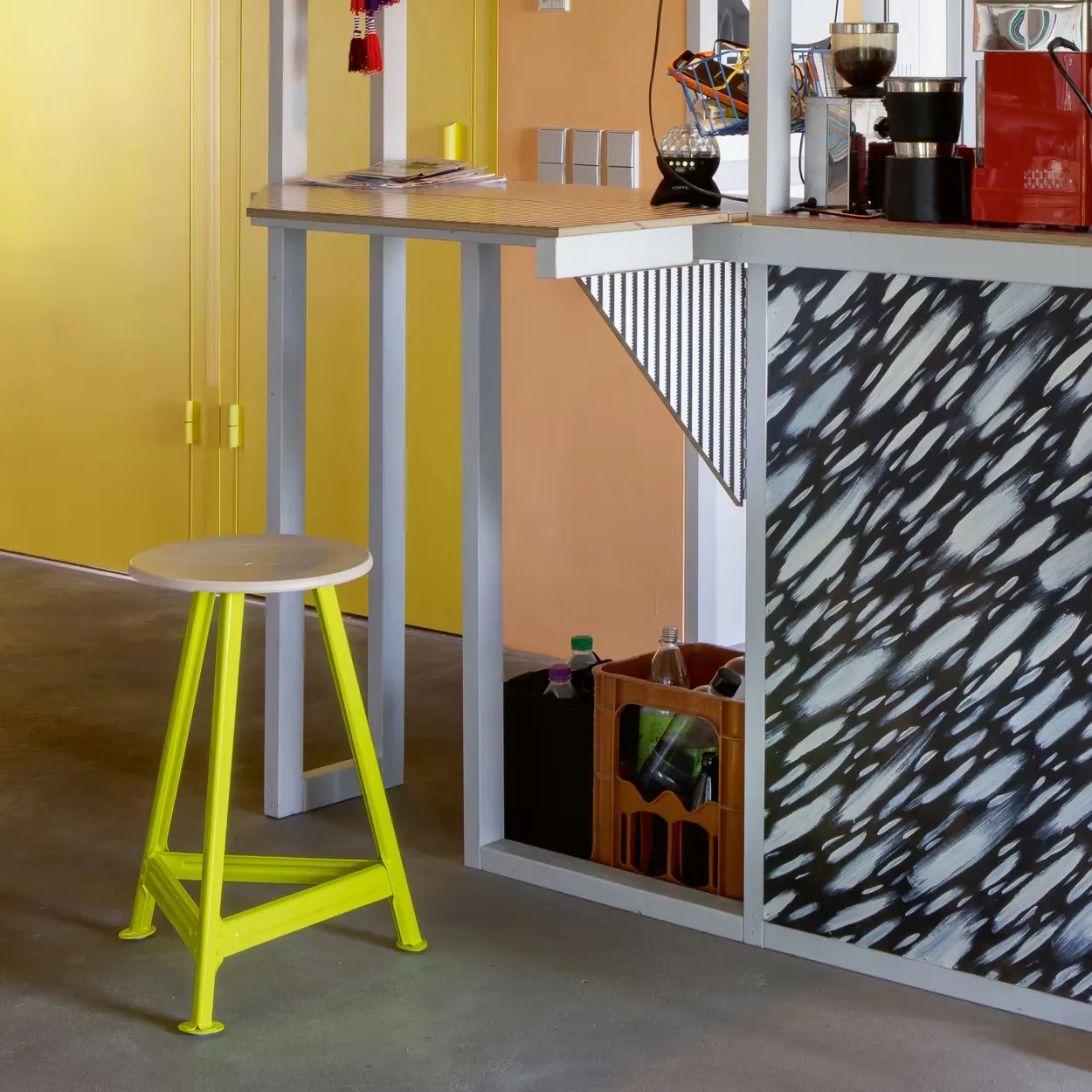
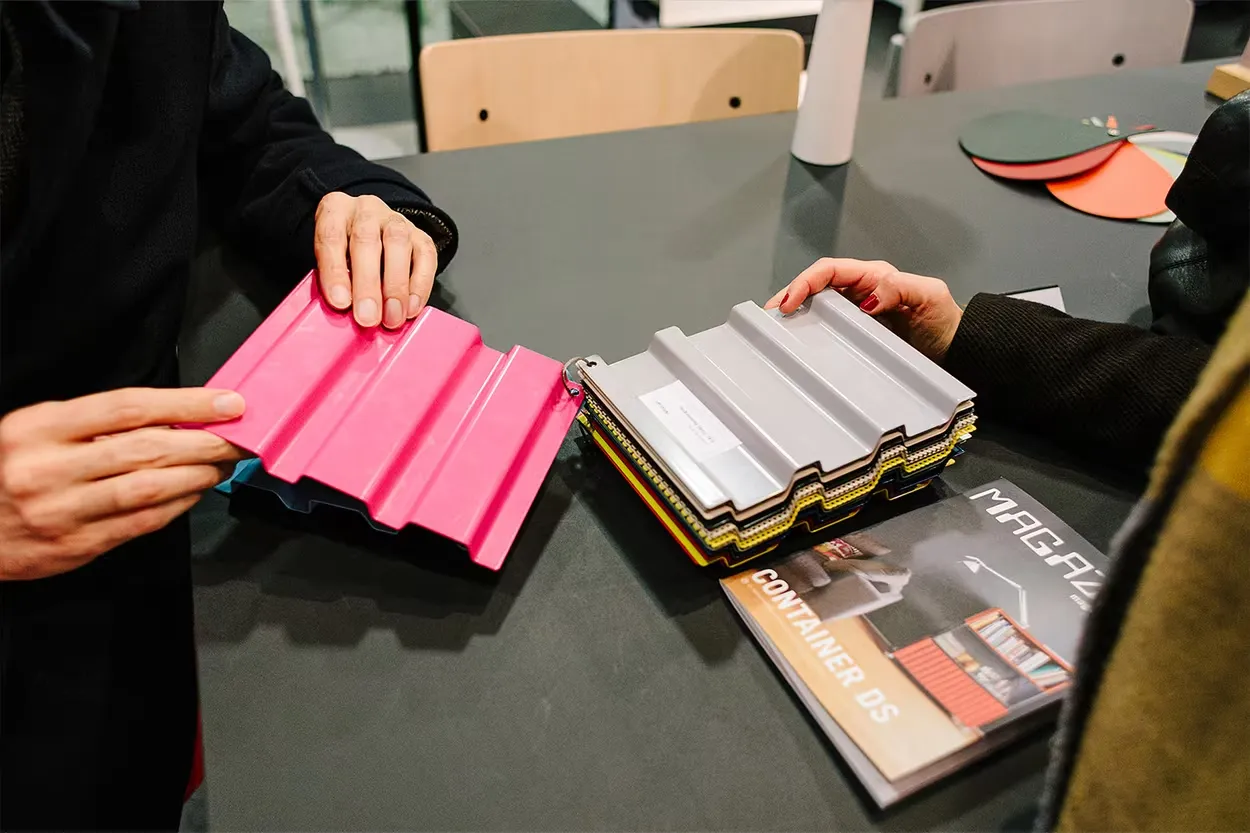
Today, MAGAZIN operates as a retailer, designer and producer, combining a carefully selected range of homewares from like-minded manufacturers with products developed in-house and produced by small and medium-sized enterprises across Europe. Its approach to design is deliberately down-to-earth: good design should enrich everyday life, answer real needs and bring some joy along the way. It should not need to shout about itself.
That philosophy gives MAGAZIN a clear personality, but it also presents a specific challenge. The brand had a strong visual language and a tactile world full of distinctive objects, yet sound was missing. Music appeared in individual pieces of communication, but there was no shared logic connecting one audio touchpoint to the next. And in the physical stores, there was no music at all.
For HearDis!, the question was therefore bigger than curating a playlist. How do you apply the logic of good furniture design to something you can’t see, touch or put on a shelf? And how could that sound remain recognisable and coherent while working in very different situations?